
The Ancient Practice That Helps You Breathe Easier
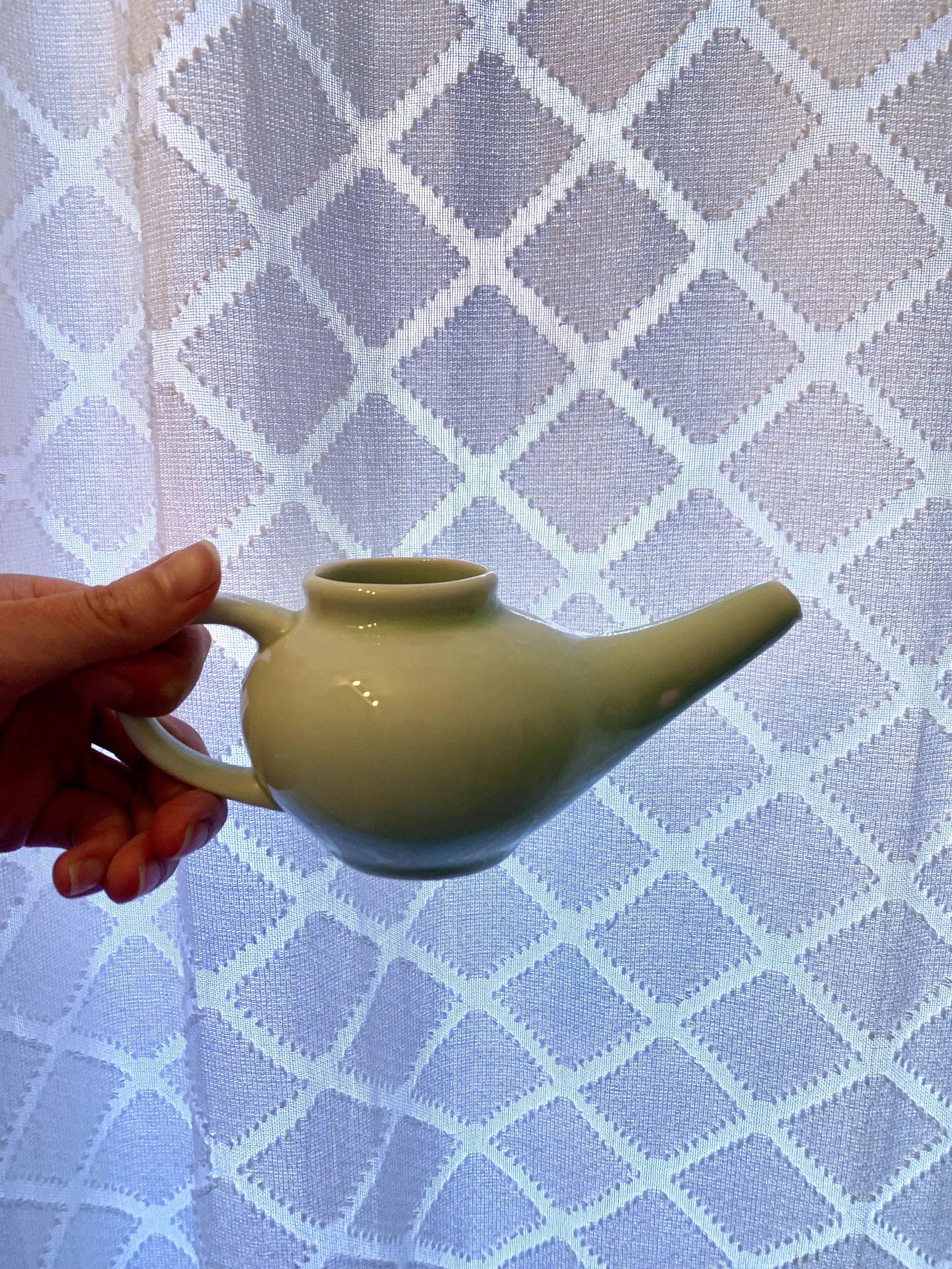
Have you ever felt like your sinuses just won't clear, no matter what you try? That stuffy, congested feeling that follows you through allergy season or winter months? Thousands of years ago, yogis discovered a simple solution that modern science now fully supports: the neti pot.
Why Yogis Started Using Neti Pots
Long before we understood the science of mucus and sinus health, ancient yogis incorporated nasal cleansing into their daily routines. Clear breathing was essential for their pranayama (breathwork) practice. They understood intuitively that when you can breathe freely through your nose, everything else flows better too.
The Science Behind the Ancient Wisdom
Your body produces mucus for an important reason—it's one of your first lines of defense. Think of mucus as your body's natural filter, capturing dust, pollen, bacteria, and other particles before they can travel deeper into your respiratory system.
Usually, this system works beautifully. The mucus carries these particles out through your nostrils or down the back of your throat, keeping you protected. But sometimes—especially during allergy season, cold weather, or when you're exposed to extra irritants—the mucus gets overwhelmed. It becomes thick and stuck in your sinuses, leading to congestion, headaches, and discomfort.
This is where the neti pot comes in. Using distilled water and salt, it gently flushes through your nasal passages, helping to clear out the mucus along with trapped particles. No harsh chemicals, no medications—just a natural rinse that supports what your body is already trying to do.
What the Medical Community Says
Modern medicine has extensively studied nasal irrigation with consistent results. The Cochrane Collaboration—one of the most respected evidence-based medicine organizations in the world—concluded that saline nasal irrigation effectively manages chronic sinus symptoms. In fact, 87% of family physicians now recommend this practice to their patients.
The American Academy of Family Physicians gave nasal irrigation an "A" strength of evidence rating for treating chronic rhinosinusitis. A large study in the Canadian Medical Association Journal found that people who used a neti pot daily experienced significant symptom improvement and reduced their medication use within six months.
What Regular Use Can Do For You
When you make nasal cleansing part of your routine, you might notice:
Easier breathing through your nose
Fewer allergy symptoms throughout the season
Relief from sinus pressure and headaches
Less dryness in your nasal passages
Better sleep when congestion isn't keeping you up
Reduced need for over-the-counter medications
Research shows that daily nasal irrigation can improve symptom severity by as much as 64% and significantly enhance quality of life for people dealing with chronic sinus issues.
Supporting Your Body's Natural Defense
In Ayurveda, we understand that the body has incredible intelligence when it comes to protecting itself. The neti pot isn't trying to override your body's wisdom—it's simply supporting the natural cleansing process that's already happening. Scientists have discovered that saline irrigation thins mucus, removes inflammatory substances, and improves the function of tiny hair-like structures called cilia that help move mucus out of your nasal passages.
This is especially valuable when your sinuses are working overtime—during allergy season, in dry winter air, or when you're exposed to dust or pollution. Regular use helps keep your nasal passages functioning optimally, which means better breathing and fewer uncomfortable symptoms.
Important Safety Notes
Always use distilled, sterile, or previously boiled water in your neti pot—never tap water. The FDA emphasizes this is crucial for your safety, as tap water can contain organisms that are safe to swallow but can cause serious infections when introduced directly into your nasal passages.
While nasal cleansing is a wonderful preventive practice, it's not a replacement for medical care. If you're experiencing chronic sinus inflammation or other persistent ear, nose, or throat issues, please consult with a healthcare provider.
Ready to try this ancient practice? Your sinuses—and your yoga practice—might thank you.