
Why Ayurveda Says Don't Mix Fruit: The Science Behind Digestive Harmony
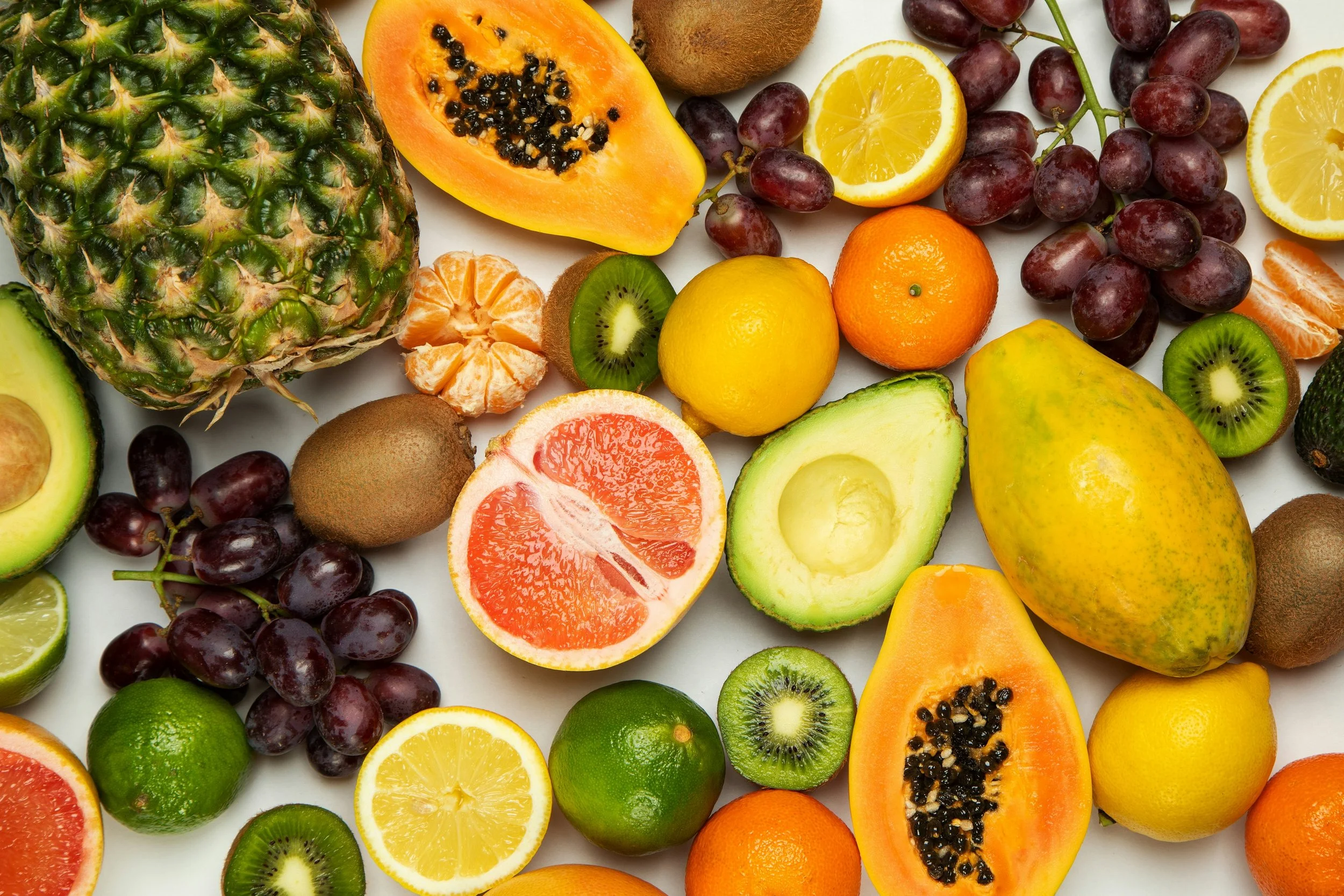
For thousands of years, Ayurveda has taught that fruit should be eaten alone—never mixed with other foods. While this might sound like ancient superstition, modern science is revealing why this wisdom makes perfect sense for your digestive health.
What Happens When You Mix Fruit with Other Foods?
When you eat fruit with other foods, you create what digestive scientists call a "traffic jam" in your stomach. Here's the science behind why this causes problems:
Different Transit Times Create Digestive Chaos
Scientific research shows that different foods have dramatically different gastric emptying rates:
Liquids: 30 minutes to 1 hour
Fruits: 30 minutes to 1 hour
Carbohydrates/Starches: 2-4 hours
Proteins: 3-4 hours
Fats: 4-6 hours
Studies using special stomach scans show that it typically takes around four hours for 90 percent of a mixed meal to move from your stomach into your small intestine, while liquids and simple carbs empty much faster.
The Fermentation Problem
When fast-digesting fruit gets trapped behind slower-digesting foods, several problematic processes begin:
1. Delayed Gastric Emptying Research shows that food rich in carbohydrates leaves the stomach slower than protein-rich food, and emptying is slowest after a meal containing lipid. This creates a backup where fruit sugars sit waiting in your warm, moist stomach.
2. Bacterial Breakdown Scientific studies on natural breakdown show that when fruits break down without oxygen, they produce acids including acetic acid, lactic acid, and other compounds. While controlled breakdown can be helpful, uncontrolled breakdown in your digestive tract creates:
Gas and bloating
Digestive discomfort
Toxic byproducts
Blood sugar imbalances
3. Reduced Nutrient Absorption Research on food combinations shows that certain combinations can create opposing effects, reducing the total healthy compounds and nutrient absorption compared to when foods are eaten separately.
The Scientific Evidence
Stomach Emptying Research
Studies comparing different sugar sources found that fructose was less effective in slowing stomach emptying compared to glucose, and that the presence of simple sugars generally slowed the rate of stomach emptying based on how much was consumed.
Food Mixing Studies
While only limited controlled studies exist on food mixing principles, research confirms that wrong combinations can lead to digestive upset, though the stomach's acidic environment (pH around 2.0) prevents actual food rotting.
Breakdown vs. Rotting
Scientists explain that what happens in the digestive tract is breakdown of carbs by bacteria, not rotting (which refers to animal protein breakdown), and this process mainly occurs in the large intestine under normal conditions.
What Modern Science Reveals
Research shows that the Ayurvedic principle has merit, but for slightly different reasons than traditionally understood:
The Real Issue: When fruit gets stuck behind slower-digesting foods, it may ferment and cause indigestion, with the high water content and rapid transit time of fruit making it particularly susceptible to digestive complications when combined with proteins or starches.
Individual Differences: Studies show that people with strong digestion may handle poor food combinations better, but the general principle of avoiding conflicting digestive needs remains scientifically sound.
Practical Application Based on Science
Optimal Fruit Timing
30 minutes before meals - allows fruit to clear your stomach
2-4 hours after meals - ensures previous food has moved to small intestine
As a standalone snack - prevents digestive conflicts
Exceptions Supported by Research
Studies show that certain combinations, like adding vinegar (acetic acid) to starchy meals, can actually improve digestive results by changing stomach emptying rates. Similarly:
Cooked fruit with compatible spices may be easier to digest
Small amounts of dried fruit with grains show less digestive conflict
Liquid combinations (smoothies) may bypass some solid digestion issues
What About Popular Combinations?
Fruit with Yogurt: While popular, research shows that milk combined with fruits can create opposing effects, reducing healthy compounds, supporting the traditional Ayurvedic warning against this combination.
Smoothies: Studies suggest that because juices and blended drinks require little to no digestion, combining fruits and vegetables in liquid form may be more acceptable.
The Bottom Line
While detailed clinical studies on food mixing remain limited, the available research supports the core Ayurvedic principle: different foods have different digestive needs and transit times.
Modern understanding of how the body works shows that combining foods with very different digestion rates can lead to breakdown, incomplete digestion, and the creation of potentially harmful byproducts.
The simplest approach? Try eating fruit alone for one week and notice how your digestion, energy, and overall well-being respond. Your body's feedback will provide the most relevant data for your individual digestive capacity.
Sources:
Gastric emptying studies from medical institutions
Food combination research from peer-reviewed journals
Fermentation and digestive physiology studies
Clinical nutrition research on meal composition effects