
3 Tips for Eating Ayurvedically at a Restaurant
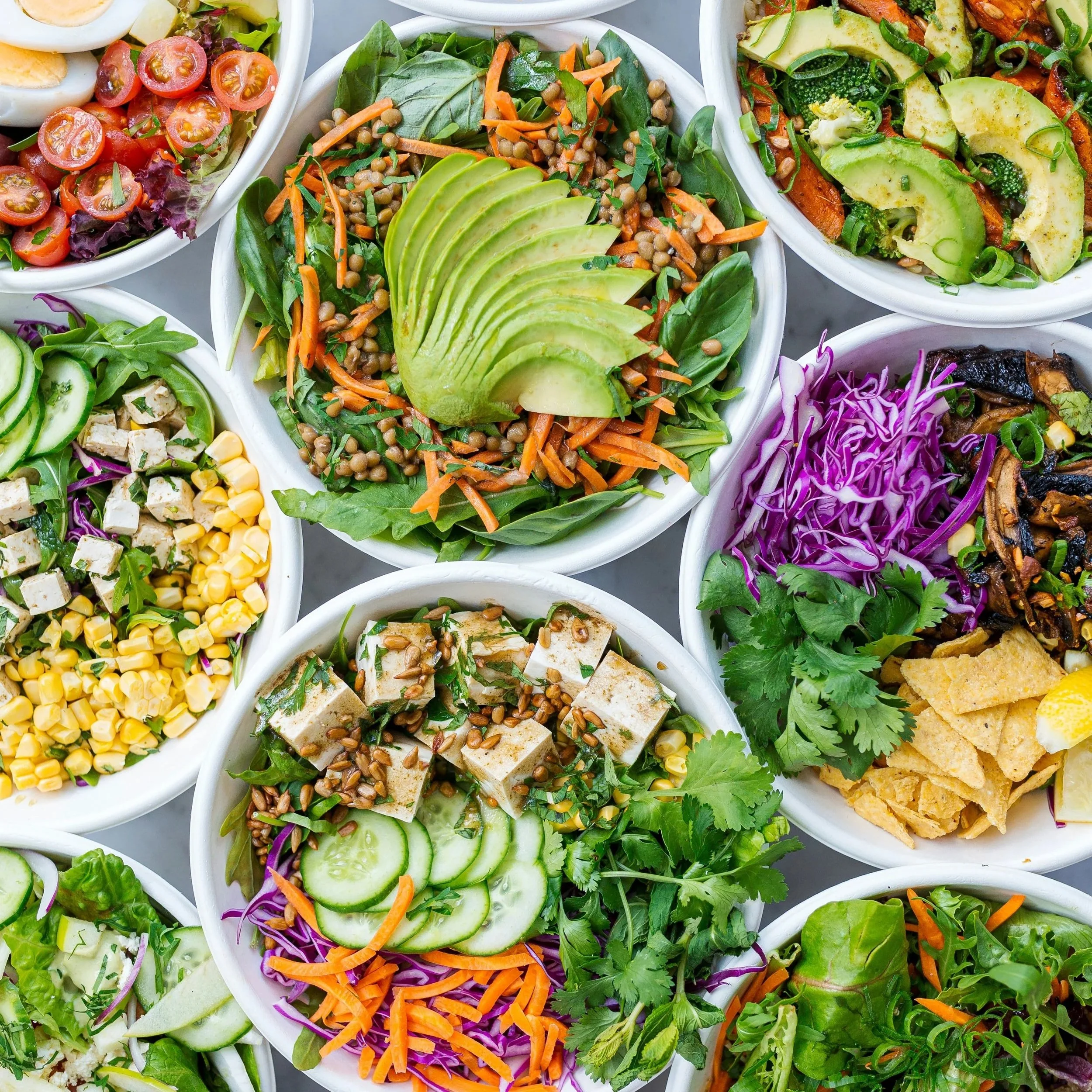
Eating out doesn't mean you have to abandon your Ayurvedic principles. Whether you're new to Ayurveda or a seasoned practitioner, these three simple shifts can help you support your digestion and feel your best after any restaurant meal.
1. Order Warm Water with Lemon (Hold the Ice)
When your server asks what you'd like to drink, request warm water with lemon—or at the very least, water without ice.
Why make the switch? Think of your digestion as a fire you're stoking to get strong before you eat. In Ayurveda, this digestive fire is called agni, and it's responsible for breaking down your food and transforming it into energy and nourishment. When you drink cold or iced water before eating, you're essentially pouring cold water onto that fire, weakening it significantly. This dampens your body's natural digestive power right when you need it most.
Warm water, on the other hand, gently stokes your digestive fire, preparing your system to efficiently break down the meal ahead. The addition of lemon provides a subtle boost of digestive enzymes and adds a refreshing flavor.
2. Sip Mindfully—Save the Big Drinks for Before or After
Here's a habit that might surprise you: avoid drinking large amounts of liquid during your meal. Instead, sip lightly during eating and save your beverages for before or after the meal.
Why does this matter? Drinking lots of liquids before or during your meal dilutes your digestive juices—the acids and enzymes your body produces to break down food. When these get watered down, your digestion has to work harder and less efficiently to process what you're eating. This can lead to that heavy, sluggish feeling after a meal, as well as incomplete digestion.
By keeping liquids minimal during the meal itself, you allow your digestive fire and juices to remain concentrated and strong, giving your body the best chance to break down and absorb nutrients from your food.
What about alcohol? Ayurveda views alcohol as heating and destabilizing to all three doshas when consumed in excess. Small amounts of wine (particularly red) with a meal may be acceptable for some constitutions, but Ayurveda generally recommends moderation or avoidance, as alcohol can disrupt digestion, overheat the liver, and aggravate Pitta dosha especially.
3. Ask for Your Salad with the Main Course (Not as an Appetizer)
When ordering, request that your salad arrive alongside your entrée rather than before it. And if it's winter, consider skipping that big, cold salad altogether in favor of cooked vegetables.
Why does timing matter? In Ayurveda, foods are categorized by how much digestive energy they require. Salads—being raw, cold, and light—are easier to digest and require less digestive fire. Your heavier, cooked foods (proteins, grains, warm dishes) need more digestive power.
The Ayurvedic approach is to eat in order of digestive demand: start with the foods that need the strongest digestion and layer lighter foods on top toward the end of the meal. By eating your salad last, you're allowing your digestive fire to focus its full strength on breaking down denser foods first, then finishing with something that requires minimal effort.
During the colder months, large raw salads can be particularly challenging for digestion, especially for Vata types who already run cold and dry. Opt for warm, cooked vegetables instead to keep your digestion balanced.
The Bottom Line
These three simple adjustments honor the fundamental Ayurvedic principle of supporting your digestive fire. You don't need to overthink your restaurant experience or become rigid about food rules—just make a few mindful swaps that align with how your body naturally works best.
Next time you dine out, try ordering warm water with lemon, sipping lightly during your meal, and saving that salad for the end. Notice how you feel an hour or two after eating. You might be surprised at how much lighter, more energized, and more comfortable you feel when you eat in harmony with your body's natural digestive rhythm.
Remember: Ayurveda is about tuning into your own body's wisdom. These guidelines are starting points, not strict rules. Pay attention to how different choices make you feel, and adjust accordingly.