
Your Pitta Season Herb and Spice Guide: What to Grow, Stock, and Use All Summer
The right herbs don't just flavor your food. In Ayurveda they're some of the most accessible medicines you have.
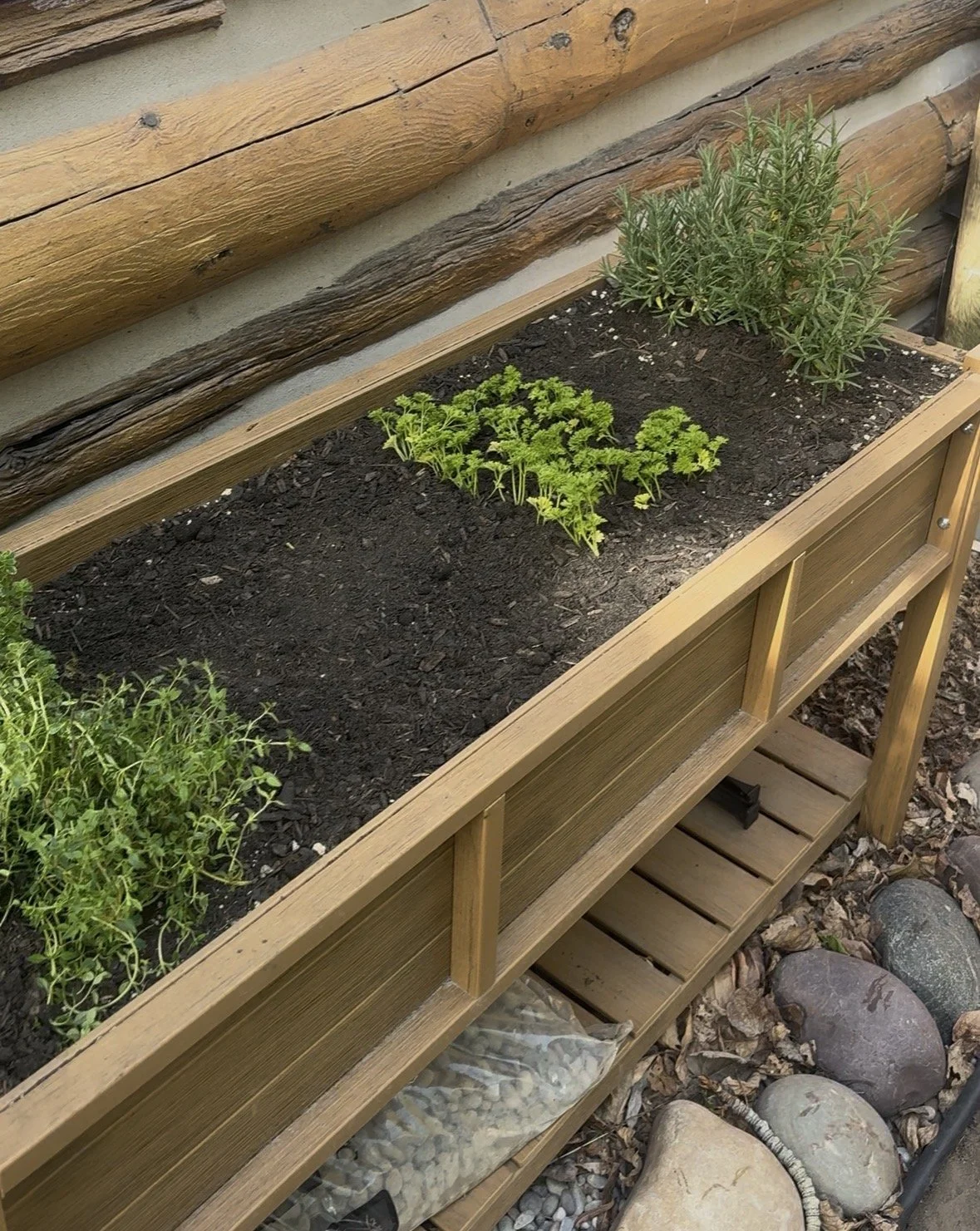
I planted mint, cilantro, lemon thyme, rosemary, and lettuce this week. Every one of those plants has a specific role in the Pitta season. And if you're heading into summer without them in your kitchen or your garden, this is your sign to change that.
WHY HERBS MATTER MORE IN SUMMER
In Ayurveda, Pitta season runs roughly from June through September. It's governed by fire and water — and its qualities are hot, sharp, light, oily, and spreading. Everything that makes summer feel electric also makes it the season most likely to tip us into inflammation, irritability, and burnout.
The herbs and spices of Pitta season work in two directions: cooling excess heat and supporting the digestive system, which is paradoxically more sensitive in summer despite Pitta's association with strong digestion. Long days, irregular eating, travel, alcohol, and heat all challenge the gut in ways that the right herbs can directly counteract.
This isn't about adding a garnish. It's about using plants the way Ayurveda always has — as targeted, functional medicine that fits the season.
HERBS TO GROW RIGHT NOW
If you have outdoor space, get these in the ground now. If you don't, a sunny windowsill works just as well for most of them — mint, cilantro, and basil in particular thrive indoors with 4-6 hours of direct light. A few small pots on a kitchen windowsill is genuinely enough to have fresh Pitta-cooling herbs available all summer without stepping outside.
The beauty of an indoor herb garden is that it puts medicine within arm's reach. You're more likely to add fresh mint to your water, tear cilantro over your bowl, or snip basil into a salad when it's sitting three feet from where you cook.
What you need to get started: three or four small terra cotta pots, good potting soil, and a window that gets morning or midday sun. South or east-facing windows are ideal. Avoid deep windowsills with afternoon-only light — most herbs want consistent brightness, not intense bursts.
A simple indoor Pitta season window garden:
- One pot of mint (keep it contained — it spreads)
- One pot of cilantro (plant in succession every few weeks as it bolts quickly)
- One pot of basil or tulsi
- One pot of lemon thyme (drought tolerant, low maintenance)
Rosemary can go indoors too but prefers more space and airflow — a larger pot near a bright window or an outdoor ledge is better if you have the option.
MINT
Mint is one of the most powerfully cooling herbs in Ayurveda. It clears heat from the digestive tract, soothes inflammation, and has a direct calming effect on Pitta's tendency toward intensity and irritability.
Use it in: water, chutneys, cooling yogurt sauces, salads, and herbal teas. A handful of fresh mint leaves steeped in room temperature water for an hour is one of the simplest Pitta-cooling drinks you can make.
Indoors: grows easily in a medium pot, keep soil moist, trim regularly to prevent it getting leggy.
CILANTRO
Cilantro is cooling, detoxifying, and deeply cleansing for the liver — which takes a significant load during summer. In Ayurveda it is one of the primary herbs for Pitta because it clears heat from the blood and the digestive tract simultaneously.
Use it in: chutneys, salads, grain bowls, cooling soups, and on top of anything spicy to balance the heat. Cilantro chutney — blended with coconut, lime, and a little ginger — is a staple Pitta season condiment worth making weekly.
Indoors: bolts quickly in heat so keep away from direct afternoon sun. Sow a small amount every 2-3 weeks for a continuous supply.
LEMON THYME
Lemon thyme is lighter and more aromatic than regular thyme, making it better suited to summer cooking where you want flavor without heaviness. It supports efficient digestion and reduces bloating and fermentation in the gut.
Use it in: roasted vegetables, grain dishes, salad dressings, and marinades. It pairs particularly well with fish and legumes — both excellent Pitta season proteins.
Indoors: the most forgiving of the group. Let soil dry out between waterings. Thrives in a small pot on any bright windowsill.
ROSEMARY
Rosemary supports circulation and digestion — both of which can become sluggish in the heat when people reduce their food intake or eat too many cold, raw foods. Used in moderate amounts it keeps the digestive fire burning without adding excess heat.
Use it in: roasted root vegetables, olive oil drizzles, herbal waters, and savory baked goods. A sprig in your water bottle adds subtle flavor and digestive support throughout the day.
Indoors: prefers more space and airflow than other herbs. A larger pot near a bright window or an outdoor ledge is ideal.
BASIL
If you're adding one more herb to your garden this season, make it basil. In Ayurveda, tulsi (holy basil) is the gold standard — adaptogenic, immune-supporting, and deeply clarifying for the mind and nervous system. If you can find tulsi at a garden center, plant it. Sweet basil is the more accessible alternative and still offers significant anti-inflammatory and digestive benefits.
Use it in: pestos, salads, fresh tomato dishes, and herbal teas. Tulsi tea — steeped fresh or dried — is one of the best daily Pitta season practices you can build.
Indoors: needs the most light of the group — a south-facing window is ideal. Pinch the flowers off as they appear to keep the plant producing leaves.
SPICES TO STOCK IN YOUR KITCHEN
Not everything can be grown at home. These are the spices worth having in your pantry before summer arrives.
CORIANDER
The seed form of cilantro, coriander is one of the three spices in the classic Ayurvedic digestive blend CCF (coriander, cumin, fennel). It is cooling, detoxifying, and specifically targeted at reducing heat in the digestive tract. Ground coriander can go into almost anything — soups, grain dishes, roasted vegetables, spice rubs.
FENNEL
Fennel is one of Ayurveda's most important digestive herbs — sweet, cooling, and digestive all at once, making it perfect for Pitta season. It reduces bloating, calms cramping, and soothes the entire digestive tract after a heavy or irregular meal.
Chew a small pinch of fennel seeds after meals as a digestive. Add ground fennel to cooking. Make fennel tea by steeping seeds in hot water for 10 minutes.
CUMIN
The third member of the CCF trio, cumin kindles agni (digestive fire) without adding the sharp, penetrating heat that aggravates Pitta. It is particularly useful in summer when people reduce their food intake and digestive fire can weaken as a result.
Use it in: dal, rice, roasted vegetables, yogurt sauces, and as a base spice for almost any savory summer dish.
CARDAMOM
Cardamom is cooling, aromatic, and balances all three doshas — but is especially beneficial for Pitta because it clears heat from the digestive tract while lifting the mood. Pitta's emotional tendency toward irritability and frustration responds well to cardamom's light, sweet quality.
Use it in: golden milk, chai (go easy on the ginger in summer), rice dishes, baked goods, and smoothies.
TURMERIC
Turmeric is anti-inflammatory by nature — and inflammation is Pitta's primary mode of imbalance. It supports the liver, purifies the blood, and reduces heat systemically. Use it consistently through summer rather than in large doses intermittently.
Use it in: golden milk, rice, soups, roasted vegetables, and any dish where you want a warm, earthy base note. Pair always with black pepper to activate its key compounds.
SAFFRON
Saffron is one of Ayurveda's most prized Pitta-balancing spices — cooling, clarifying, and with a direct effect on mood. A small pinch goes a long way.
Use it in: rice dishes, warm milk before bed, and desserts. A pinch of saffron steeped in warm milk with cardamom and honey is one of the most nourishing Pitta season evening drinks.
WHAT TO DO THIS WEEK
You don't need all of this at once. Start here:
1. Start your window garden — three small pots of mint, cilantro, and basil on your sunniest windowsill
2. Stock coriander, fennel, and cumin if you don't already have them
3. Make one thing — cilantro chutney, fennel seed tea after dinner, or a pinch of saffron in warm milk tonight
Pitta season doesn't require a complete overhaul. It requires small, consistent shifts — using what nature provides, in the amounts the season calls for.
Your kitchen windowsill is a good place to start.
Want to know which oils are right for your specific dosha? Take the free Seasonal Blueprint Quiz for personalized recommendations.